

NFHS-6: Odisha Institutional Births Hit 93.9% as Private C-Sections Skyrocket to 76.8%
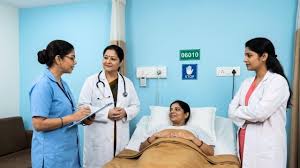
Odisha’s maternal and healthcare system has hit a crucial milestone—most births now happen under professional supervision. The latest National Family Health Survey (NFHS-6) for 2023-24 shows a promising landscape for institutional care across the state. This report captures everything: from how many mothers deliver inside hospitals to the growing patterns of surgery. It’s a sweeping assessment of how safely the next generation arrives in Odisha.
Let’s look at the numbers. The data shows institutional births in Odisha have climbed to an impressive 93.9%, rising steadily from 92.2% in the last survey. Alongside this, skilled health professionals now assist in 93.0% of deliveries, up from 91.8%. These gains highlight how aggressively the state has pushed healthcare down to the grassroots. Of all these institutional births, a striking 75% happen in public hospitals— evidence that people trust government-run facilities.
Yet, a deeper dive into the data uncovers a pronounced and widely discussed development: C-section births are on the rise. The share of Caesarean deliveries has shot up from 21.6% to 29.4% statewide. Break this down by facility and the picture splits dramatically. In public health facilities, C-sections hold steady at 19.9%, a measured rate. Step into private hospitals, and the figure soars to 76.8%. That’s a massive jump. The difference is impossible to ignore: public hospitals are largely adhering to global health standards for natural births, while private clinics turn heavily to surgical delivery.
The urban–rural divide only sharpens this shift. Urban areas, filled with private hospitals, register a staggering C-section rate of 46.4%. Nearly every second baby in the city is born via surgery. Rural Odisha stays lower, with a rate of 26.9%. Cities also notch slightly higher rates for institutional births (97.1% vs. 93.4%) and skilled attendance (96.3% vs. 92.5%).
Ultimately, what is happening on the ground is a highly successful transition toward safer, medically supervised childbirths across Odisha. This move is slashing the risk from unassisted home births. But as access improves, the next big challenge is quality: will providers ensure C-sections serve medical need, not just convenience or commercial interests? The rising C-section rates in private hospitals demand urgent attention. Without checks, a critical medical option could turn into a default commercial practice.