
Odisha Eyes 5,000 MW Floating Solar Potential with Survey of Six Reservoirs
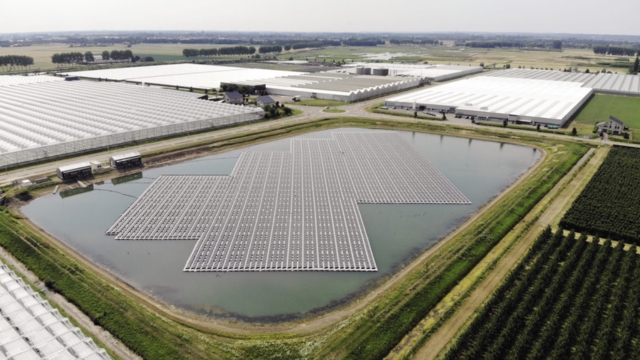
The Odisha government has begun groundwork for a major expansion of its renewable energy programme by initiating feasibility studies for floating solar power projects across six reservoirs, with two sites expected to be prioritised for implementation after technical assessments are completed.
A multidisciplinary team will carry out field inspections beginning July 17 to evaluate whether the shortlisted reservoirs are suitable for floating solar photovoltaic (PV) installations. The findings will be placed before the State Reservoir Committee, which will decide the locations to be taken up in the first phase of development.
The six reservoirs identified for the study are Harabhangi in Gajapati district, Sorada in Ganjam, Ranial (also referred to as Ramial) in Dhenkanal, Derajang (Derjang) in Angul, Jharabandha in Bargarh and Gohira in Deogarh. Site inspections have been scheduled in three rounds—July 17-18, July 20-21 and July 22-23—covering two reservoirs in each phase.
Officials from the Water Resources Department, under the leadership of Engineer-in-Chief Sushil Kumar Behera, are coordinating the exercise with multiple government agencies. The survey teams will examine the available water spread, seasonal fluctuations in reservoir levels, engineering requirements for floating platforms, road access, land availability for associated infrastructure and the distance from Odisha Power Transmission Corporation Limited (OPTCL) substations to assess power evacuation feasibility.
The assessment also involves departments responsible for Water Resources, Industries, Fisheries and Animal Resources Development, Forest, Environment and Climate Change, and Tourism, along with GRIDCO and OPTCL. Their participation is intended to ensure that the proposed projects are planned without compromising ecological considerations, fisheries, tourism activities or reservoir safety.
The latest exercise follows consultations held in June to identify suitable locations for floating solar development. A workshop organised on June 10 with support from the Global Green Growth Institute (GGGI) examined the technical and commercial viability of such projects. This was followed by a Reservoir Committee consultation that reviewed a statewide scoping study covering more than 200 reservoirs through a multi-criteria assessment, including water availability, accessibility, environmental impact and electricity generation potential. The six shortlisted reservoirs emerged from that evaluation.
Floating solar projects have become a key component of Odisha’s clean energy strategy because they allow electricity generation on existing water bodies, reducing the need for large tracts of land required for conventional ground-mounted solar parks. Besides producing renewable power, such installations can also help curb water evaporation from reservoirs, offering an additional environmental benefit.
The initiative aligns with the Odisha Renewable Energy Policy 2022, which identifies floating solar as a major avenue for expanding the state’s renewable energy capacity. The policy envisages exploiting the state’s extensive reservoir network and notes that Odisha has already prepared pre-feasibility reports indicating a floating solar potential exceeding 5,000 MW. It also outlines coordination between the state’s nodal agency and the Water Resources Department to facilitate project development on reservoirs under government control.
Following the completion of the field inspections, authorities will prepare a detailed report to guide the next stage of the programme, including the selection of priority reservoirs, project preparation, tendering and eventual implementation as Odisha advances its broader transition towards renewable energy.