
CM Majhi Hails India–US Trade Deal, Credits PM Modi’s Leadership

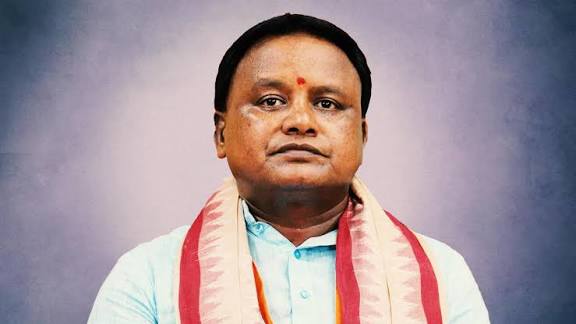
Bhubaneswar: Odisha Chief Minister Mohan Charan Majhi on Tuesday congratulated Prime Minister Narendra Modi following the announcement of a new India–United States trade agreement, describing it as a historic step forward in strengthening economic ties between the two nations.
In a post on X, Majhi called the development “a historic advancement in India–United States economic relations” that lays a strong foundation for deeper cooperation and shared prosperity.
Highlighting the reported reduction of US tariffs to 18 per cent on ‘Made in India’ products, the Chief Minister said the move would significantly benefit Indian manufacturing, MSMEs, exporters, and job creation. He added that lower tariffs would help Indian businesses access wider markets and create fresh opportunities for entrepreneurs and startups.
Majhi also expressed gratitude to the Prime Minister for what he termed “decisive leadership and people-focused diplomacy” that has strengthened Indo-US ties and enhanced India’s global economic presence.
The remarks came a day after Prime Minister Modi announced that tariffs on Indian goods entering the US market had been reduced to 18 per cent, following discussions with US President Donald Trump, who described the pact as a historic trade deal between the two countries.
In his own message, the Prime Minister welcomed the decision, stating that reduced tariffs on Indian products would benefit the country’s vast population and export sectors.
The announcement has drawn positive reactions from several business leaders, particularly within the Indian-American community, who see the agreement as a potential breakthrough in long-standing trade negotiations. However, some policy experts have advised caution, noting that detailed provisions of the agreement are yet to be fully disclosed.
India and the United States have spent years working toward a comprehensive trade framework, with past negotiations often slowed by disagreements over tariffs and market access. Despite these hurdles, bilateral trade between the two countries has steadily grown and currently stands at around $200 billion, underscoring the importance of the economic partnership.