

Indian Judiciary Takes Action on ‘Digital Arrest’ Scams Without Waiting for New Laws: CJI
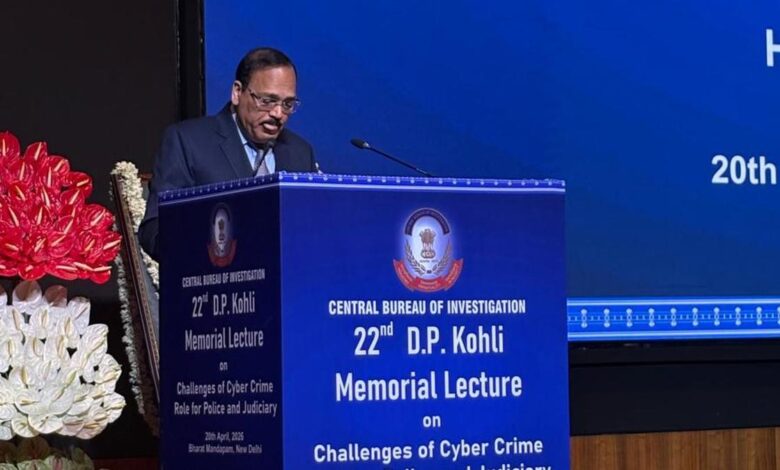
Indian judiciary is taking proactive measures to combat emerging cybercrimes like ‘digital arrest’ rather than waiting for Parliament to pass new legislation, stated Chief Justice of India (CJI) Surya Kant. Addressing the 43rd International Symposium on Economic Crime in London, the CJI highlighted the Supreme Court’s suo motu cognizance of these scams, where fraudsters impersonate law enforcement or judicial officers over video calls to extort money.

Key Highlights of the Address:
Judicial Action & Directives: The Supreme Court has directed central and state governments to assess the scale of ‘digital arrest’ crimes and advocated for specific penal provisions proportional to the severity of the offense.
Evolving Economic Crimes: Emphasizing that financial fraud changes over time, CJI Surya Kant called for strong coordination between the judiciary, government, and investigative agencies to tackle shifting challenges effectively.
Layered Legal Architecture: India’s framework against economic crimes relies on a multi-layered legal structure built over decades—including laws like PMLA (2002) and the Fugitive Economic Offenders Act (2018)—rather than a single statute.

Checks on Power & Agency Misuse: Addressing concerns over the alleged misuse of PMLA by enforcement agencies—such as prolonged detentions and uncommunicated grounds of arrest—the CJI noted judicial intervention. He highlighted a key Supreme Court ruling mandating that agencies must provide the written grounds of arrest to the accused, rather than merely reading them aloud.