

Green Light for New Highways Only After Greenery Goals Met: NHAI
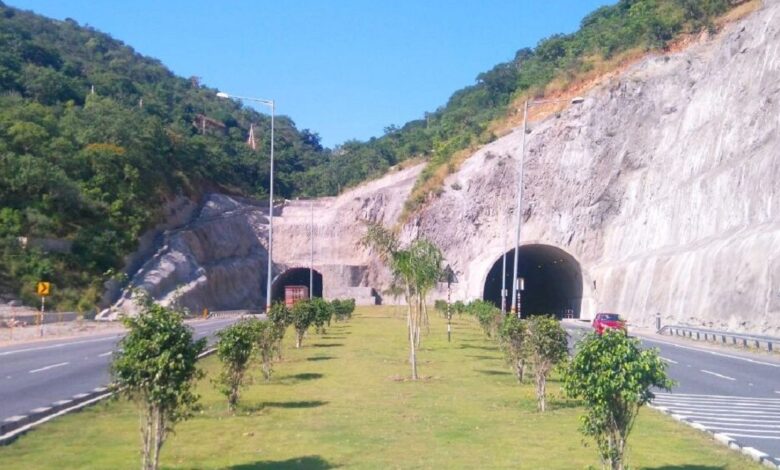
The National Highways Authority of India (NHAI) has introduced strict plantation mandates that contractors must fulfill before any new highway stretch can open to the public. Under the updated guidelines, developers will no longer receive a Provisional Certificate of Completion (PCC) or Provisional Commercial Operation Date (PCOD) without meeting specific environmental benchmarks.
Key Mandates
Coverage Requirement: Saplings must be planted along at least 80% of the earmarked Right of Way (RoW), including medians and side avenues.
Survival Threshold: At least 90% of the planted saplings must be healthy and surviving at the time of official inspection.
Ongoing Replacement: Any dead saplings must be replaced with plants of matching age and growth to ensure visual and ecological uniformity.
Financial Accountability and Enforcement
To prevent contractors from treating landscaping as an afterthought, the NHAI is tying environmental compliance directly to financial payouts. Independent Engineers will thoroughly inspect the green cover and must formally certify these benchmarks before authorizing road completion.

If a contractor fails to meet the 80% coverage or 90% survival targets, the NHAI will withhold financial dues, annuity payments, and operation and maintenance (O&M) disbursements. Furthermore, contractors must sustain this 90% survival rate throughout the entire O&M period to receive their regular maintenance payouts.
By aligning commercial clearance with the Green Highways Policy 2015 and MoRTH standards, the NHAI aims to enforce long-term accountability, reduce environmental impact, and improve safety and aesthetics across India’s expanding highway network.