

Bihar’s Aurangabad Tops India’s Pollution List in July
Aurangabad Records Highest PM2.5 Level
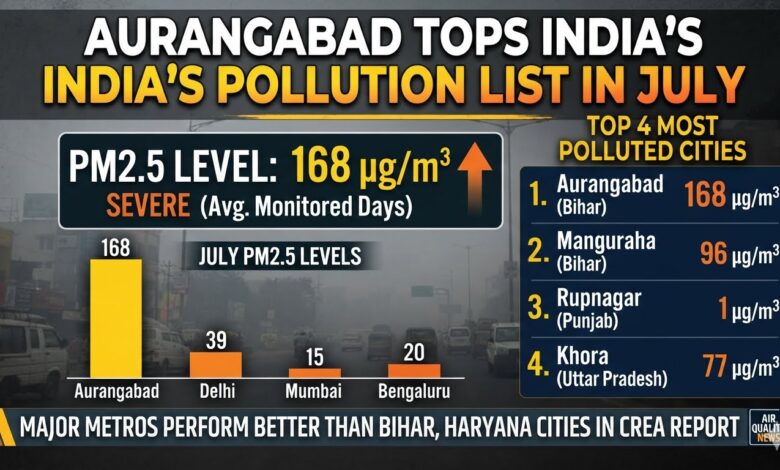
Aurangabad in Bihar emerged as India’s most polluted city in July 2026, recording an average monthly PM2.5 concentration of 168 µg/m³. The city ranked ahead of major metros including Delhi, Mumbai and Bengaluru, according to a report by the Centre for Research on Energy and Clean Air (CREA).
Pollution Remained Severe
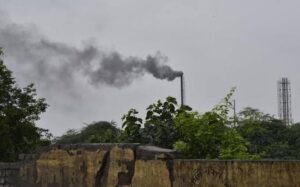
Aurangabad crossed the national 24-hour PM2.5 limit of 60 µg/m³ on 21 of 28 monitored days. The city recorded eight days of severe pollution, five days in the very poor category and three days classified as poor.
The high pollution levels were recorded despite July being part of the monsoon season, when rainfall generally helps reduce pollutants in the atmosphere.
Manguraha Ranks Second
Manguraha in Bihar stood second on the list with an average PM2.5 concentration of 96 µg/m³. It recorded eight days of poor-to-severe air quality, while the remaining 18 monitored days were satisfactory or good.
Rupnagar in Punjab occupied third place, while Khora in Uttar Pradesh ranked fourth with an average of 77 µg/m³.
Haryana Cities Dominate Top 10
Haryana emerged as a major pollution hotspot, with five cities among India’s 10 most polluted cities in July.
Gurgaon ranked fifth with 76 µg/m³, followed by Panipat at 75 µg/m³. Sonipat recorded 68 µg/m³, Charkhi Dadri 67 µg/m³ and Ballabgarh 66 µg/m³.
All five Haryana cities recorded monthly average PM2.5 levels above the national 24-hour standard of 60 µg/m³.
Major Metros Perform Better
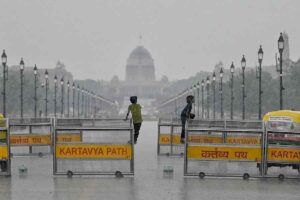
India’s major metros recorded considerably lower pollution levels in July. Delhi had the highest PM2.5 concentration among the major metros at 39 µg/m³, followed by Chennai at 24, Kolkata at 23, Bengaluru at 20 and Mumbai at 15 µg/m³.
Overall, 240 of 256 adequately monitored cities met India’s domestic air-quality standards. However, only 41 cities met the World Health Organization’s guideline of 15 µg/m³, highlighting the continuing gap between national standards and stricter health-based recommendations.