
Rainfall to Ease Across Odisha, Fresh Wet Spell Likely Between August 2 and 4: IMD
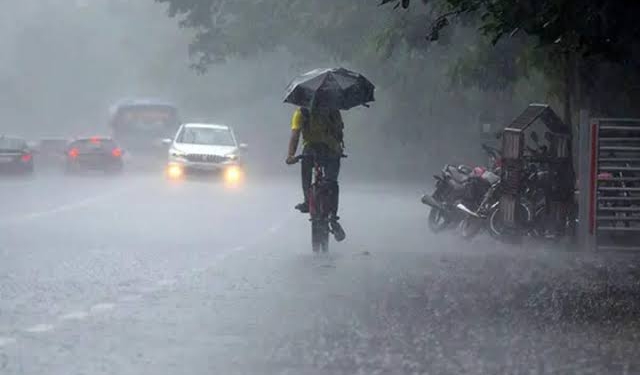
After days of widespread rainfall, Odisha is likely to witness a temporary decline in rain intensity over the next few days before another wet spell returns in early August, according to the India Meteorological Department (IMD).
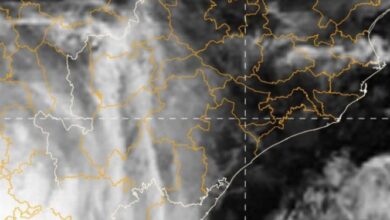
The active depression over the Bay of Bengal is currently centred over central Chhattisgarh and north interior Odisha and is expected to move westwards across Chhattisgarh and eastern Madhya Pradesh during the next 24 hours. As the system moves away, rainfall activity across Odisha is expected to weaken from Thursday.
Despite the expected reduction in rainfall, the IMD has issued a Yellow Warning for 18 districts, cautioning residents about thunderstorms, lightning, light to moderate rain and gusty winds reaching speeds of 30 to 40 kmph.
The districts under the Yellow Warning are Malkangiri, Koraput, Rayagada, Ganjam, Gajapati, Nayagarh, Khordha, Puri, Kendrapara, Jagatsinghpur, Cuttack, Jajpur, Bhadrak, Balasore, Mayurbhanj, Keonjhar, Sundargarh and Jharsuguda.
According to the Regional Meteorological Centre in Bhubaneswar, rainfall is expected to remain subdued from July 30 to August 1, with only light to moderate showers likely in several parts of the state. However, thunderstorms accompanied by lightning and gusty winds may continue to affect isolated areas.
IMD Bhubaneswar Director Manorama Mohanty said there is no forecast of heavy rainfall during this period, though coastal districts and northern regions, including Mayurbhanj, Keonjhar and Sundargarh, are likely to experience thunderstorms, lightning and moderate rainfall along with gusty winds.
The weather department has also indicated that rainfall activity is expected to intensify again from August 2 to August 4, bringing another spell of heavy rain to several parts of Odisha.
Authorities have advised residents to remain alert during thunderstorms, avoid open areas during lightning, and follow weather advisories issued by local administrations as conditions may change rapidly.