
Odisha Plans Major School Education Reforms, Eyes Unified Board for Classes 10 and 12
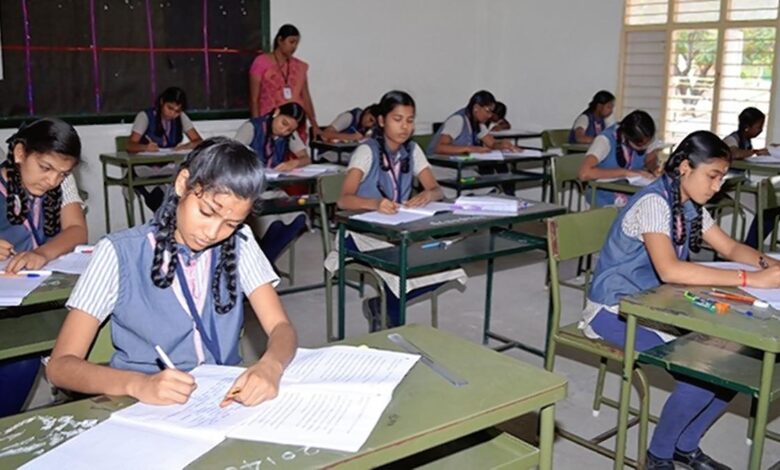
The Odisha government is set to revise the Class 10 curriculum and initiate preparations to bring Classes 10 and 12 under a unified education framework, with a focus on improving students’ readiness for higher secondary education, skill development and employment opportunities.
As part of the proposed reforms, the state plans to introduce Plus Two courses through open schools, enabling students up to the age of 18 to access free education. The initiative aims to expand access to higher secondary education while providing opportunities for students to acquire job-oriented skills.
The government has also expressed concern over the rising expenditure incurred by students preparing for competitive examinations. To reduce the financial burden, steps are being planned to provide free digital learning resources.
The Council of Higher Secondary Education (CHSE), Odisha, has been directed to take steps towards providing free digital education facilities. The state government has allocated Rs 10 crore to the CHSE for the initiative.
Another major proposal is to make Plus Two Commerce and Science education available in Odia, allowing students to pursue higher secondary studies in their mother tongue.
The government is also working towards bringing Classes 10 and 12 under a single board as part of efforts to streamline the school education system. A decision on the location of the proposed board office is expected soon.
Officials said the proposed reforms are aimed at ensuring that students acquire practical and professional skills during their Plus Two education, helping them become better prepared for employment after completing higher secondary studies.
Speaking on the proposed reforms, School and Mass Education Commissioner-cum-Secretary N. Thirumala Naik said the government is focused on creating an education system that equips students with relevant skills and enables them to pursue employment opportunities after completing Plus Two.
The proposed changes are expected to improve access to education, reduce students’ financial burden and create greater opportunities for skill development and career preparation.