

Petrol, Diesel Prices Hiked Again Across India; Third Increase in 10 Days
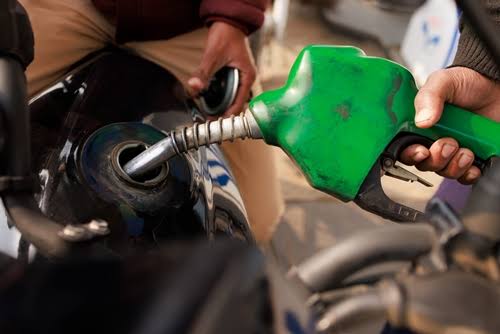
New Delhi: Petrol and diesel prices were increased across the country on Saturday, marking the third revision in retail fuel rates within the last 10 days amid rising global crude oil prices and ongoing geopolitical tensions in West Asia.
State-owned oil marketing companies raised petrol prices by Rs 0.87 per litre and diesel prices by Rs 0.91 per litre. The latest revision has further added to the financial burden on commuters, transport operators and businesses already grappling with rising operational costs.

In the national capital Delhi, petrol prices increased from Rs 98.64 to Rs 99.51 per litre, while diesel prices rose from Rs 91.58 to Rs 92.49 per litre.
In Kolkata, petrol is now being sold at Rs 110.64 per litre and diesel at Rs 97.02 per litre following the latest hike.
Similarly, in Mumbai, petrol prices climbed to Rs 108.49 per litre, while diesel reached Rs 95.02 per litre.
The fuel price hike comes a day after the Ministry of Petroleum and Natural Gas assured the public that the country has sufficient petrol and diesel stocks and that fuel availability remains stable nationwide.
The ministry urged citizens not to indulge in panic buying or overcrowding at fuel stations, stating that any temporary pressure at select outlets is being addressed through coordinated supply and continuous monitoring by oil marketing companies.
Officials also stressed the importance of responsible fuel consumption and public cooperation to ensure smooth distribution during the ongoing period of global uncertainty and high demand.
Earlier on May 16, fuel prices had witnessed a sharper increase of around Rs 3 per litre in several cities after revisions by state-run oil companies.
Experts have warned that continued increases in fuel prices could have a cascading impact on the economy by raising transportation and logistics costs, which may further fuel inflation in essential goods and services.
Government officials, however, maintained that the revisions are necessary to offset rising import costs and maintain stability in fuel supplies amid volatile international crude oil markets and geopolitical tensions.