
Swiss Startup Develops Road-Charging Technology for Electric Buses Without Cables
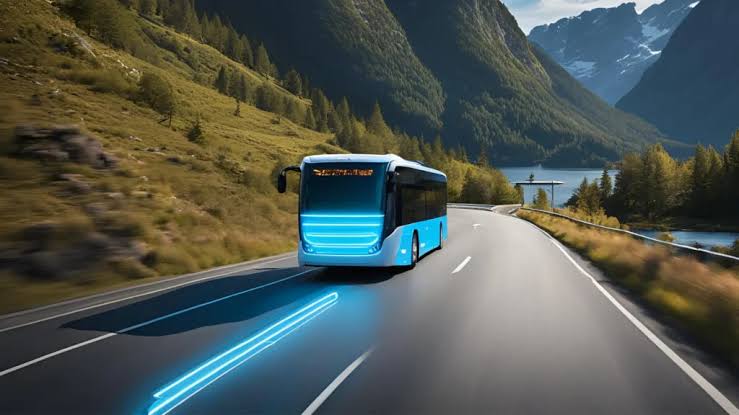
A Swiss technology company, Winduction, associated with ETH Zurich, is developing an innovative system that could allow electric buses to recharge their batteries directly from charging plates embedded in roads, eliminating the need for conventional charging cables.
The technology works when a bus stops at a designated bus stop and its specially designed wheel passes over a charging plate. Coils inside the road plate generate magnetic energy, which is transferred to coils inside the wheel and then delivered to the bus battery. Unlike dynamic wireless charging, the system does not charge buses while they are moving.
Winduction claims its prototype can transfer electricity from the charging plate to the battery with an efficiency of more than 90%. The technology could reduce the need for large, heavy batteries, lower operating costs and ease pressure on the power grid caused by charging multiple buses overnight.
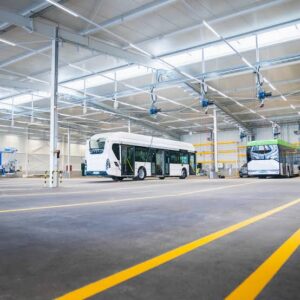
According to the company’s estimates for a route between Zurich Airport and Oerlikon, charging plates at just two of the route’s 24 stops could provide around three hours of charging during a 16-hour operating day.
However, the system still requires extensive testing. Conventional bus tyres contain steel layers that may interfere with magnetic energy transfer, prompting the company to work with partners on specially designed steel-free tyres.
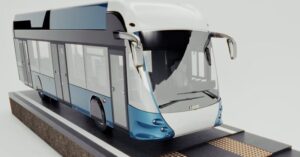
Winduction is preparing a testing facility and bus-stop infrastructure in Winterthur, Switzerland. Its first pilot project is targeted for 2028 near Zurich Airport. If successful, the technology could make electric bus operations more efficient and reduce dependence on overnight depot charging.