

NFHS-6: Odisha Fertility Rate Drops to 1.7 as Rural Teenage Pregnancy Hits 7.2%
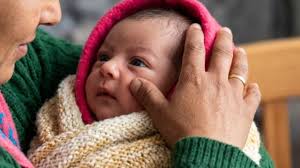
Odisha’s newest numbers on reproductive health and family planning show the state’s making real progress in keeping population growth steady. The National Family Health Survey (NFHS-6) for 2023-24 digs deep into how the state’s population is changing, offering a clear look at what’s happening at a local level. Pairing the Total Fertility Rate (TFR)—the average number of kids a woman has in her lifetime—with the rate of adolescent motherhood, the report paints a picture of how things like better healthcare, education, and awareness are slowly reshaping family life across Odisha.
According to the findings visible in the document, Odisha has managed to keep its TFR well under the national replacement level. Currently, the TFR sits at 1.7 children per woman, nudging down from 1.8 in the last NFHS-5 report. Along with steady population numbers, the state’s also seeing fewer teenage pregnancies. The percentage of young women aged 15–19 who are either mothers or pregnant slipped to 6.5%, down from 7.5% last time. That drop signals progress—family welfare programs and putting off marriage are slowly starting to work.
Still, if you look closer, you’ll see adolescent pregnancy isn’t spread out evenly. The fertility rate is 1.5 in urban areas and 1.8 in rural zones, and the difference in teenage pregnancy rates is huge. Only 2.8% of urban girls aged 15–19 are mothers or pregnant. In rural areas, that jumps to 7.2%. So, the numbers reflect more early marriages in rural communities, and it’s clear that limited access to reproductive health services and more girls dropping out of school are making rural adolescents more exposed to early motherhood.
In short, Odisha’s moving toward lower birth rates overall—good news for the big picture—but there’s still a tough social challenge at the local level. Dropping the TFR to 1.7 shows family planning and health initiatives are working, but where a girl lives in Odisha has a huge impact on her risk of early pregnancy. Looking ahead, the real challenge is two-pronged: keep fertility rates low while focusing on rural areas, doubling down on health and educational programs that help protect young women from the hardships of early motherhood.