

Annual Dolphin Census Begins in Bhitarkanika and Gahirmatha Waters
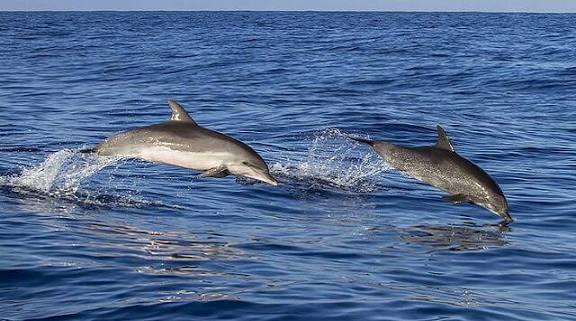
Kendrapara: The Odisha government on Monday commenced its annual dolphin census across the waters in and around Bhitarkanika National Park and the Gahirmatha Marine Sanctuary. The three-day survey will continue till January 22.
The enumeration is being carried out in waterbodies between the Dhamra river mouth and the Devi river mouth, covering creeks and rivers flowing through Bhitarkanika National Park. This year, nine specialised teams have been deployed to conduct the census.
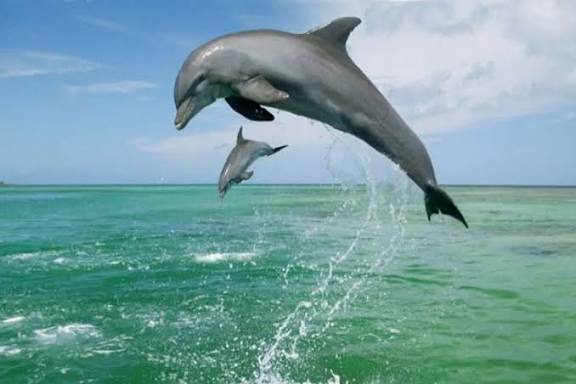
Officials reported encouraging signs on the first day of the survey, with a large number of dolphins sighted together in Babubali Creek in Kendrapara district. The congregation of dolphins in a single waterbody has raised new hopes for strengthening conservation efforts in the Bhitarkanika region.
Five species of dolphins and porpoises are commonly found in Odisha’s coastal and creek ecosystems adjoining Bhitarkanika—Irrawaddy dolphins, humpback dolphins, bottlenose dolphins, spinner dolphins and finless porpoises. Gangetic dolphins have also been recorded in certain riverine stretches of the state.
According to the annual dolphin and cetacean population estimation for 2024–25, Odisha recorded a total of 710 dolphins. This marked a marginal decline compared to 743 dolphins recorded in 2023–24, 733 in 2022–23 and 726 in 2021–22. Sources attributed last year’s decline mainly to a reduction of 34 humpback dolphins and 11 bottlenose dolphins compared to the previous count.
As per the division-wise estimation conducted between January 27 and 29 last year, the state recorded 188 Irrawaddy dolphins, 498 humpback dolphins, 16 bottlenose dolphins and eight spinner dolphins. The Mangrove (Wildlife) Division, Rajnagar, reported the highest number with 505 dolphins, including 470 humpback dolphins, 22 Irrawaddy dolphins, five bottlenose dolphins and eight spinner dolphins.
Officials also noted that no finless porpoise was sighted during last year’s census, compared to one sighting in 2023–24 and three in the 2021–22 estimation.
The ongoing census is expected to provide updated and crucial data to guide conservation planning and habitat protection measures across Odisha’s coastal and riverine ecosystems.