

Cyclone Murasu Nears Andhra Coast; Odisha on Alert
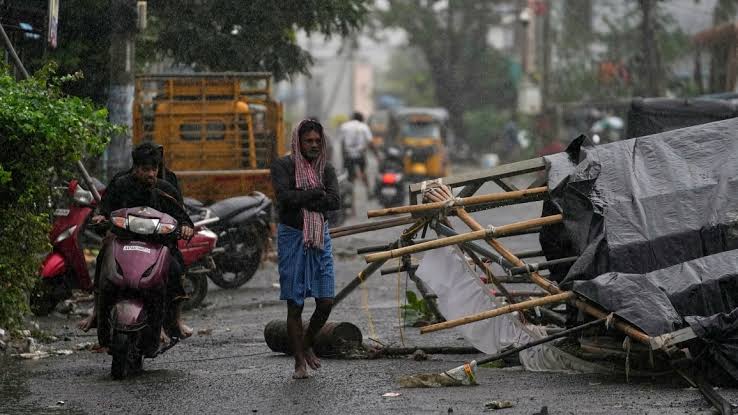
A fresh weather threat looms over eastern India as Cyclonic Storm Murasu gains strength over the Bay of Bengal, prompting Odisha and Andhra Pradesh to intensify precautionary measures.
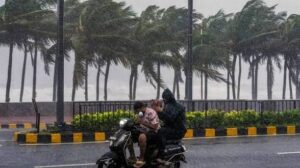
According to the India Meteorological Department (IMD), Cyclone Murasu is expected to strengthen into a severe cyclonic storm by Monday morning. It is forecast to cross the south Andhra Pradesh coast between Monday midnight and the early hours of Tuesday as a very severe cyclonic storm, bringing winds of 100–110 kmph, with gusts reaching 120 kmph.
The IMD has issued a red alert for extremely heavy rainfall in coastal Andhra Pradesh on Monday. An orange alert has also been sounded for Rayalaseema, Tamil Nadu, Puducherry, Karaikal and Telangana. Several parts of Chhattisgarh, Kerala, Odisha and South Interior Karnataka are likely to receive heavy rainfall over the next two days.
Fishermen have been warned against venturing into the Southeast Bay of Bengal until Monday and the Southwest Bay of Bengal until the morning of November 4.
Andhra Pradesh Chief Minister N. Chandrababu Naidu has reviewed the state’s preparedness and instructed officials to ensure coordinated rescue and relief arrangements. Six NDRF and seven SDRF teams have been deployed, while emergency control rooms have been activated. Authorities have also been directed to shift residents from vulnerable locations to safer shelters. People have been advised to follow official advisories and use emergency helplines 112 and 1070 whenever required.
Odisha Steps Up Vigilance
Odisha is also preparing to face the impact of Murasu, with southern districts particularly vulnerable to heavy rainfall. The state is already dealing with the aftermath of Cyclone Arnab and subsequent floods, which have left several families struggling to rebuild their lives.
The IMD has predicted rainfall across Odisha from Monday, with heavy to very heavy showers likely in southern districts on Tuesday and Wednesday. Ganjam, Gajapati, Kandhamal, Koraput, Nabarangpur and Malkangiri have been identified as areas requiring special attention.
Continuous rainfall could increase the risk of flash floods and landslides, especially in hilly regions and low-lying villages. The state administration has identified vulnerable locations and begun precautionary evacuations. District Collectors have been instructed to remain alert and closely monitor the situation.
In Nabarangpur, the district administration has cancelled government employees’ leave until November 5 to ensure uninterrupted emergency services.
As part of water management measures, one radial gate and two sluice gates of the Balimela reservoir have been opened, releasing approximately 6,000 cusecs of water per second.
With the region yet to fully recover from the destruction caused by Cyclone Arnab, the approaching storm has raised fresh concerns over flooding, public safety and the ongoing relief and rehabilitation efforts.