
Suna Besha to Dazzle Devotees in Puri Today; A Look at the Centuries-Old Tradition
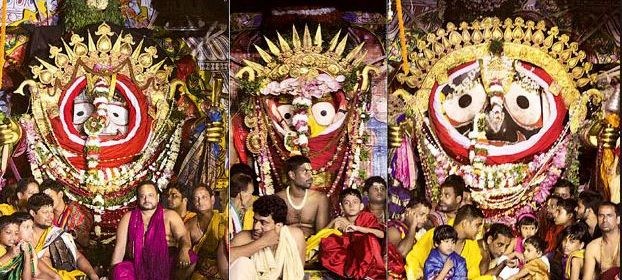
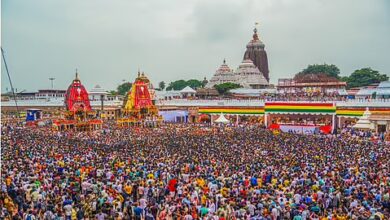
Puri: The holy town of Puri is all set to witness the spectacular Suna Besha of Lord Jagannath, Lord Balabhadra and Devi Subhadra this evening. Celebrated on Asadha Sukla Ekadashi, the ritual transforms the Holy Trinity into a magnificent royal form as they are adorned with intricately crafted gold ornaments while seated on their chariots.
The annual ceremony is among the most anticipated events of the Rath Yatra and draws lakhs of devotees from across India. Since early morning, pilgrims have been arriving in large numbers to catch a glimpse of the deities in their resplendent golden attire. To manage the massive turnout, the Shree Jagannath Temple Administration and district authorities have put extensive security and crowd-control measures in place.
How the Tradition Began
The origin of Suna Besha is linked to Gajapati King Kapilendra Deba, whose reign marked a significant chapter in the history of the Jagannath Temple. Historical records preserved in the Madala Panji state that after a successful military campaign in the 15th century, the king returned to Puri with enormous wealth, including large quantities of gold. Believing his victory was possible only through the blessings of Lord Jagannath, he dedicated the treasure to the deities and ordered the creation of ornate gold jewellery for their adornment.
Initially, these ornaments were displayed only inside the temple. However, temple records mention that Tadhau Karana, the royal official entrusted with the gold treasury, proposed a unique idea. Since many devotees could not enter the temple to witness the deities in their royal attire, he suggested that the golden adornment be performed on the chariots during Bada Ekadashi, allowing everyone to have darshan. The proposal received the king’s approval, giving birth to the public celebration of Suna Besha that continues to this day.
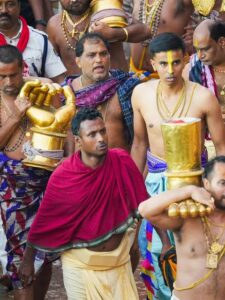
The Golden Splendour
Today, nearly 208 kg of gold ornaments are used to decorate the deities during the ritual. While historical accounts indicate that over a hundred different ornament designs once formed part of the ceremony, only a select collection remains in use today, preserving the essence of the centuries-old tradition.
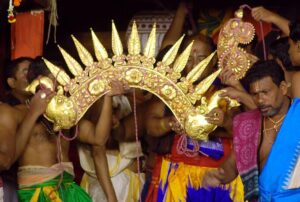
The ornaments are kept under strict security in the temple’s Ratna Bhandar. On the day of Suna Besha, they are ceremonially brought out and handed over to designated servitors, who adorn the Holy Trinity following age-old rituals.
Among the prominent ornaments are golden crowns, hands, feet, earrings, forehead ornaments, necklaces, the golden Sudarshan Chakra, mace, lotus, peacock feather, and a silver conch. Each ornament carries religious significance and enhances the majestic appearance of the deities.
More than just a visual spectacle, Suna Besha symbolises the divine sovereignty of Lord Jagannath and reflects Odisha’s rich spiritual and cultural heritage. Every year, the ritual offers devotees a rare opportunity to witness the Holy Trinity in their royal grandeur and seek their blessings.