

New COVID-19 Variant PJ.2.1 Detected In Several Countries; Know Symptoms, Risks And Precautions
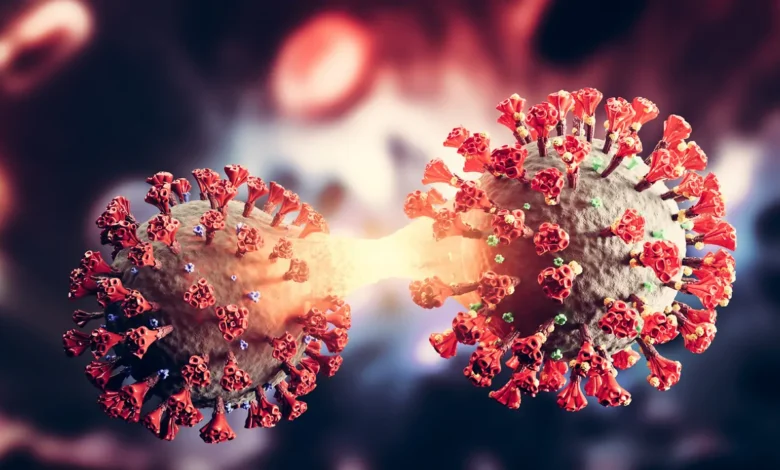
New Delhi, November 11: A new COVID-19 variant, identified as PJ.2.1, has been detected in several countries, triggering fresh concerns over its symptoms, transmissibility and potential health risks.
According to the World Health Organisation (WHO), symptoms associated with the variant may resemble those of common cold or seasonal influenza, making it difficult to distinguish COVID-19 from other respiratory infections without diagnostic testing.
PJ.2.1 is a lineage of SARS-CoV-2, the virus responsible for COVID-19. An October 2026 preprint study traced its earliest confirmed sample to Ontario, Canada, on May 2, 2026. It was subsequently detected in the US and several other countries, including Spain, France, Israel, Singapore, Australia and New Zealand.
Researchers have identified multiple mutations in its spike protein. Laboratory findings suggest that the variant may bind more effectively to the ACE2 receptor, potentially helping it spread. However, there is no conclusive evidence that it causes more severe illness than earlier variants.
What Are The Symptoms?
Common symptoms associated with COVID-19 include:
* Fever and persistent cough
* Sore throat
* Runny or blocked nose
* Headache and body aches
* Fatigue and unusual tiredness
* Changes in smell or taste
Some patients may also experience digestive or breathing problems. However, these symptoms are not specific to PJ.2.1 and can overlap with influenza and other respiratory infections.
The WHO has emphasised that symptoms alone cannot reliably identify the virus, making diagnostic testing important for accurate diagnosis and treatment.
Is PJ.2.1 More Dangerous?
Current laboratory research suggests that PJ.2.1 may have an increased ability to bind to human cells. However, studies have not established significantly greater resistance to vaccine-induced antibodies compared with most other variants examined.
There is currently insufficient clinical evidence to conclude that the variant increases the risk of hospitalisation, severe complications or death.
Who Is At Higher Risk?
Older adults, people with weakened immune systems and those with underlying conditions such as diabetes, heart disease and chronic respiratory disorders remain at greater risk of severe COVID-19.

How To Stay Protected?
Health experts recommend maintaining hand hygiene, ensuring proper indoor ventilation, avoiding close contact with others when unwell and wearing well-fitting masks in crowded or poorly ventilated spaces, particularly during periods of high transmission.
Authorities and researchers continue to monitor emerging COVID-19 variants to assess their potential impact on public health.