
El Niño Threat: Heat Puts Farmers’ Health at Risk
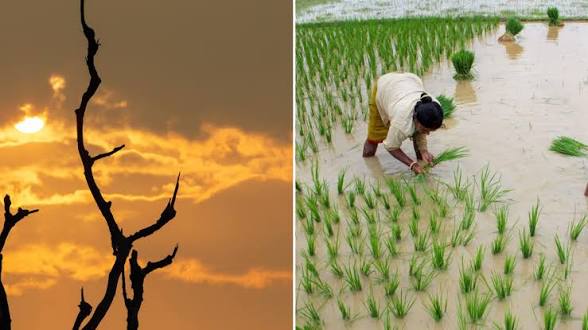
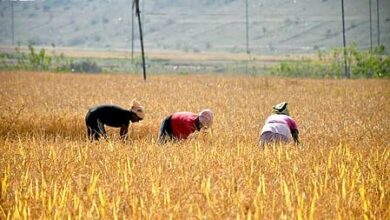
Farmers in Odisha’s Bargarh district are facing increasing health risks due to prolonged exposure to extreme heat, raising concerns amid the possibility of intensifying temperatures linked to El Niño.
A report titled Living with Heat in India: Heat-health Risks, Vulnerability, and Emerging Responses, prepared by the Global Heat Health Information Network (GHHIN) South Asia Hub, has highlighted a rise in dehydration, urinary tract infections and declining kidney function among agricultural workers in the district.
The report also draws attention to chronic kidney disease of unknown origin (CKDu), which has emerged as a major health concern in several parts of India, including Odisha, Andhra Pradesh, Maharashtra, Chhattisgarh and Goa. Similar disease patterns have been observed in countries such as Sri Lanka, Egypt and parts of Central America.
Research conducted across 36 villages in Andhra Pradesh’s Uddanam region, a known CKDu hotspot, found that agricultural labourers, construction workers and brick kiln employees faced significant heat exposure. Workers performing strenuous tasks at high temperatures were found to be twice as likely to experience reduced kidney function compared with those working under less intense heat conditions.
The impact of extreme heat extends beyond health problems. According to the report, prolonged exposure can reduce workers’ productivity, weaken their earning capacity and increase household healthcare expenses. Research among informal outdoor workers in Tamil Nadu also found a 1.4-fold increase in the risk of productivity loss between 2021 and 2023 when heat exposure consistently exceeded safe limits.

The report warned that rising temperatures, economic inequalities and inadequate preparedness are increasing India’s vulnerability to heat-related health problems.
It called for a shift from emergency heatwave management towards long-term measures that protect public health and workers’ livelihoods. The recommendations include coordinated action across agriculture, labour, water management, urban planning and healthcare to reduce the growing risks associated with extreme heat.