
OHRC Calls for Criminalising Use of ‘Dahani’ Label, Seeks Stronger Action Against Witch-Hunting
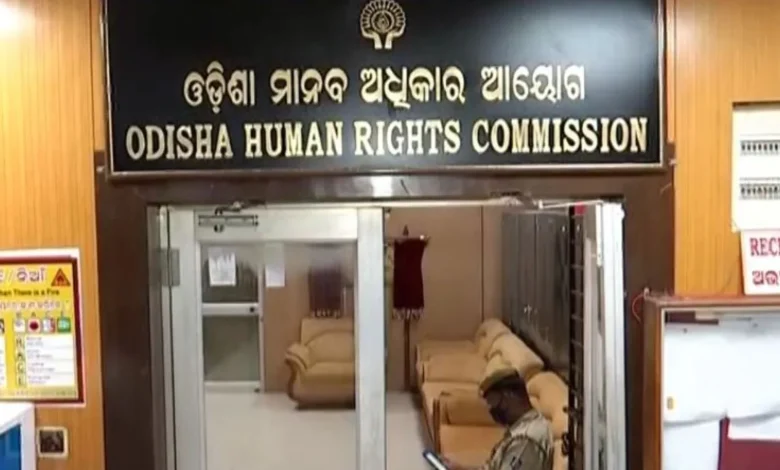
Bhubaneswar: The Odisha Human Rights Commission (OHRC) has recommended that branding a person as a “Dahani” (witch) be treated as a criminal offence, directing the state government to adopt stricter and more comprehensive measures to curb witch-hunting practices.
The Commission’s significant directive stems from a 2018 case involving the brutal killing of a woman, Yasoda Singh, who was murdered on suspicion of practising witchcraft.
According to reports, rights activist Biswapriya Kanungo brought the incident to the Commission’s attention in March 2018. After examining the petition, the OHRC ordered compensation for the victim’s family and conducted a review of the Odisha Prevention of Witch-Hunting Act, 2013, along with the 2014 Composite Action Plan. The Commission stressed the urgent need to reinforce preventive and protective mechanisms to eliminate such inhuman practices.
In its observations, the OHRC pointed out that the existing law lacks explicit preventive provisions addressing forced eviction, social boycott, and other forms of inhumane treatment arising from witchcraft allegations. To address these gaps, the Commission directed the state government to officially criminalise the use of the term “Dahani,” make the legislation gender-neutral, and include clear provisions for prevention, victim rehabilitation, and restorative justice.
The Home Department and the Department of Women and Child Development have been instructed to revise the Composite Action Plan, incorporating both short-term and long-term strategies. The Commission also called for accountability measures to address negligence by responsible authorities.
Additionally, the OHRC emphasised the importance of community-level awareness initiatives. It recommended involving self-help groups, anganwadi workers, ASHA workers, auxiliary nurse midwives (ANMs), local youth and women’s groups, non-governmental organisations, and folk art troupes to spread awareness in local languages and dialects.
The Commission’s directives aim to strengthen the state’s response to witch-hunting and ensure better protection of vulnerable individuals, particularly women, in rural and tribal areas.