
Odisha to Launch 55 New Textbooks from 2026-27; 1.67 Lakh Teachers to Undergo Massive Training
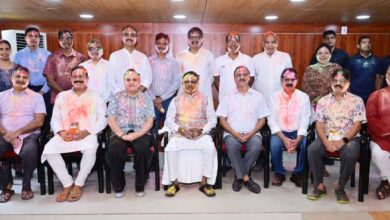
BHUBANESWAR: The Odisha government is set to overhaul its school curriculum by introducing 55 new textbooks for Classes I to VIII starting from the 2026-27 academic year. This major reform, aligned with the National Education Policy (NEP) 2020, was finalized during a high-level review meeting in Bhubaneswar attended by both Union and State education leaders.
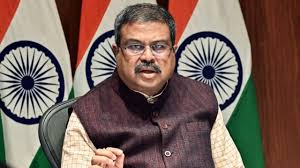
Union Education Minister Dharmendra Pradhan emphasized the need for a transformative shift toward a “Viksit Odisha.” He outlined a four-point action plan, specifically urging officials to prioritize NIPUN Bharat for foundational literacy and numeracy. Pradhan also stressed the importance of mother-tongue-based education up to Class V and the expansion of the 10-day “bagless” school initiative for students in Classes VI to X to foster practical thinking.
State School and Mass Education Minister Nityananda Gond confirmed that the new books have been translated and contextualized from NCERT materials to reflect Odisha’s unique local needs, heritage, and culture. He highlighted that the state has introduced three innovative subject areas—Art Education, Physical Education & Well-being, and Vocational Education—to ensure a more holistic development of students beyond traditional academics.
A cornerstone of this transition is the massive human resource effort. To ensure the new curriculum is delivered effectively, nearly 1.67 lakh (1,66,000+) primary teachers across the state will undergo extensive training. This process will be led by 1,000 Master Resource Persons who have already been trained across four zones. These educators will be equipped with modern pedagogical skills and technology to implement the revised syllabus in every district.
The meeting concluded with a directive from Minister Pradhan to District Education Officers (DEOs) to engage actively with parents and students. The goal is to build excitement and awareness around the new “student-centric” learning materials, ensuring that the transition to the new academic cycle in 2026 is seamless and impactful for the state’s youth.