
Odisha to Conduct Statewide PVTG Household Survey to Plug Welfare Gaps
The Government of Odisha has decided to undertake a comprehensive statewide household survey of Particularly Vulnerable Tribal Groups with the objective of identifying gaps in welfare coverage and strengthening last-mile delivery of government schemes. The exercise, which will be carried out through a structured digital data collection process, is aimed at building an updated and accurate database of PVTG households across the state.
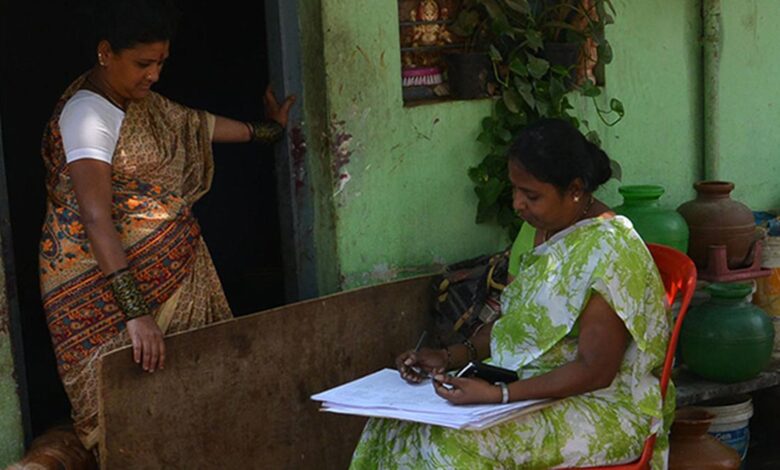
Officials said the survey will cover all PVTG habitations under the state’s designated micro project agencies and will be conducted through a door-to-door enumeration process. Survey teams equipped with mobile-based applications will collect real-time data on housing conditions, access to drinking water, health services, nutrition, education, land ownership, social security benefits and livelihood sources. The information will then be centrally compiled to map scheme saturation and identify households that have remained excluded from existing welfare programmes.
Odisha has the highest number of Particularly Vulnerable Tribal Groups in the country, with 13 such communities residing largely in remote forested and hilly regions. These communities often face structural disadvantages, including geographical isolation, low literacy levels, limited access to public services and weak integration with formal economic systems. Despite multiple targeted interventions over the years, coverage gaps continue to persist due to outdated records, migration patterns and lack of granular household-level data.
The proposed survey seeks to address these structural information gaps by creating a single, updated digital repository of PVTG households. Officials indicated that once the data is verified and consolidated, it will be used to align benefits under various state and centrally sponsored schemes, ensuring that eligible families are brought under housing support, food security programmes, pension schemes, health insurance coverage and livelihood initiatives.
The initiative is also expected to align with the Centre’s flagship programme, the Pradhan Mantri Janjati Adivasi Nyaya Maha Abhiyan, which focuses on improving basic infrastructure and service delivery for Particularly Vulnerable Tribal Groups across India. Under the national framework, states are encouraged to ensure saturation of essential facilities such as pucca housing, safe drinking water, road connectivity, mobile connectivity, education access and healthcare services in PVTG habitations.
According to administrative sources, the state government will empanel an agency to execute the survey within a defined timeline. The agency will be responsible for training enumerators, deploying field teams and ensuring quality control in data collection. The entire exercise is expected to be completed within a stipulated period once the implementing partner is finalised. Real-time monitoring mechanisms are likely to be built into the system to track progress and minimise duplication or data inconsistencies.
Policy observers note that such a data-driven approach could improve outcome measurement and scheme convergence. In recent years, welfare implementation challenges have often stemmed from fragmented databases across departments. By consolidating demographic and socio-economic information at the household level, the state may be able to better prioritise high-deprivation clusters and design targeted interventions rather than relying on broad, community-level estimates.
The move also comes at a time when states are increasingly emphasising evidence-based governance models. Digital enumeration and geo-tagged data collection are being used in multiple sectors to enhance transparency and accountability. For tribal welfare in particular, accurate baseline data is considered critical for tracking improvements in literacy rates, nutrition levels, maternal and child health indicators and livelihood diversification.
While Odisha has historically implemented dedicated tribal development programmes through micro project agencies, the fresh survey is expected to serve as a reset mechanism. It will allow the administration to reassess existing beneficiaries, remove duplication, identify newly formed households and incorporate families that may have been left out of earlier enumeration drives.
The outcome of the exercise is likely to shape future budget allocations and programme prioritisation in tribal-dominated districts. With the state continuing to position tribal welfare as a key component of its social sector agenda, the survey may provide the administrative foundation required for more targeted and measurable interventions.
If implemented effectively, the statewide PVTG household survey could mark a shift from scheme distribution to structured inclusion, ensuring that the most vulnerable tribal communities are not only identified but systematically integrated into the welfare framework.