

Odisha Govt Directs Schools to Visit Homes of Students Absent for a Week to Curb Dropouts
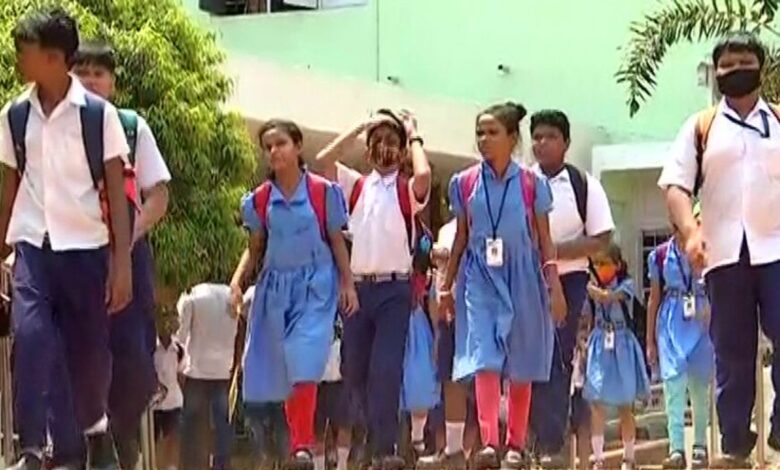
Bhubaneswar: In a move aimed at curbing school dropouts and safeguarding children’s right to education, the Odisha government has directed school authorities to visit the homes of students who remain absent from school for a week or more.
The directive has been issued by the Directorate of Elementary Education (DEE), Odisha, to all District Education Officers (DEOs) and Block Education Officers (BEOs) as part of a child rights protection advisory to ensure regular school attendance.
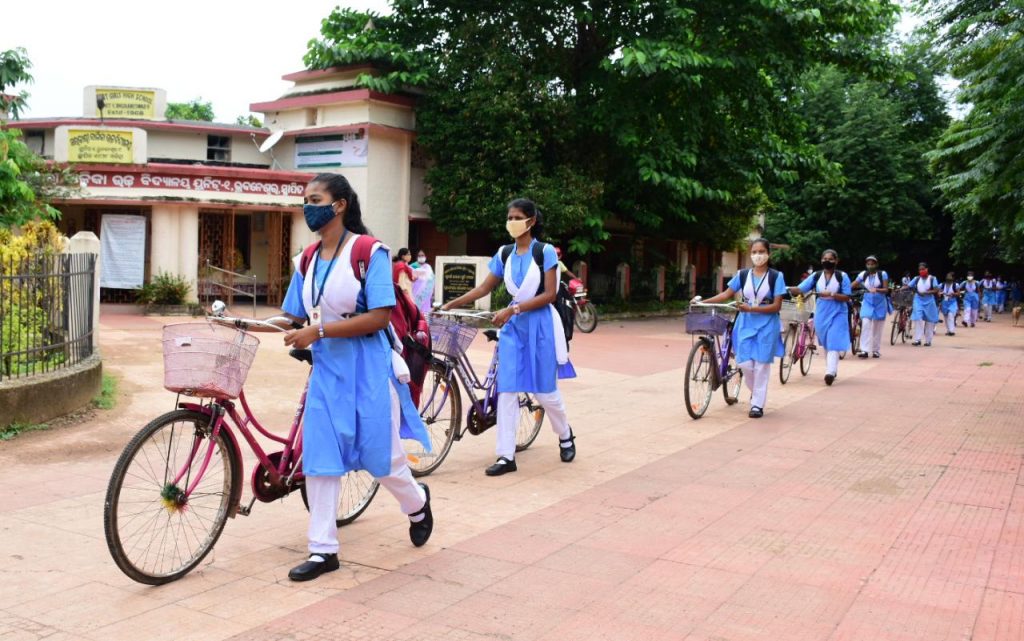
As per the instructions, schools must carry out mandatory home visits in cases of prolonged absence to identify the reasons behind non-attendance and take appropriate remedial measures to bring students back into the formal education system.
The decision follows alarming observations made in a Comptroller and Auditor General (CAG) of India report tabled in the Odisha Assembly on December 9, 2025. The report revealed that Odisha’s transition rate from secondary to higher secondary education in 2022–23 was lower than the national average and had recorded negative growth compared to 2018–19.
The CAG report also flagged serious data anomalies, noting that transition rates from upper primary to secondary level in Bhadrak and Nuapada districts exceeded 100 percent in 2018–19, indicating inconsistencies in reporting.
Between 2018 and 2023, an estimated 1.50 lakh to 5.47 lakh students enrolled in Classes I to XI discontinued their education before progressing to the next grade. During this period, dropout rates across various classes ranged between 3.12 percent and 7.26 percent.
Out-of-school children continue to be a major concern, with the report stating that 61,487 children aged between 6 and 18 years could not be brought back into the formal education system during 2018–23.
The situation appears particularly worrying at the secondary level. In 2022–23 alone, the dropout rate at this stage rose sharply to 17.7 percent, marking an 86 percent increase compared to 2018–19.
The report identified unwillingness to continue studies as the leading cause of dropouts, cited by 39 percent of respondents. Poverty and poor financial conditions of parents accounted for 27 percent of cases, while early marriage was cited in 9 percent of instances.
The state government hopes that proactive monitoring by schools and direct engagement with families will help reverse the troubling dropout trend and improve educational outcomes for children across Odisha.