
Lunar Eclipse 2026: Temples Shut, Devotees Observe Sutak Rituals Across States
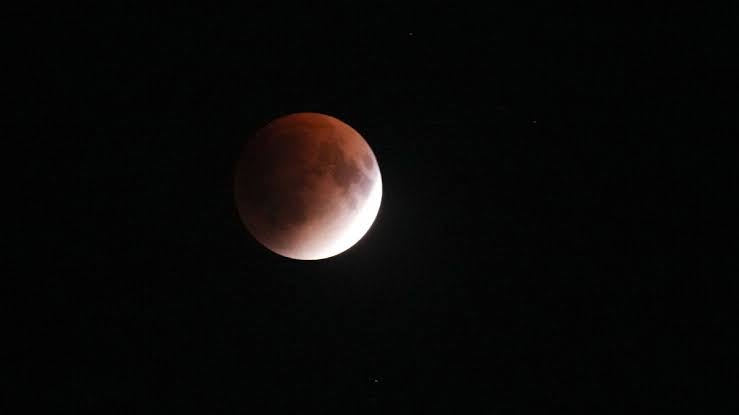
New Delhi: The first lunar eclipse of 2026 was observed on Tuesday evening, prompting temple closures and the issuance of religious guidelines across several states.
Priests and religious leaders shared details regarding the timing of the eclipse, the observance of the ‘Sutak Kaal’, and precautions for devotees.
In Uttar Pradesh, Acharya Ramvilas Chaturvedi said the March 3 eclipse is a “rising eclipse.” According to him, it began at 3:20 p.m. in the northeastern region and continued until around 6:47 p.m. He noted that as a rising eclipse, it would be visible in regions where the Sun sets between 4 p.m. and 4:30 p.m., while it would not be visible in parts of central and western India.
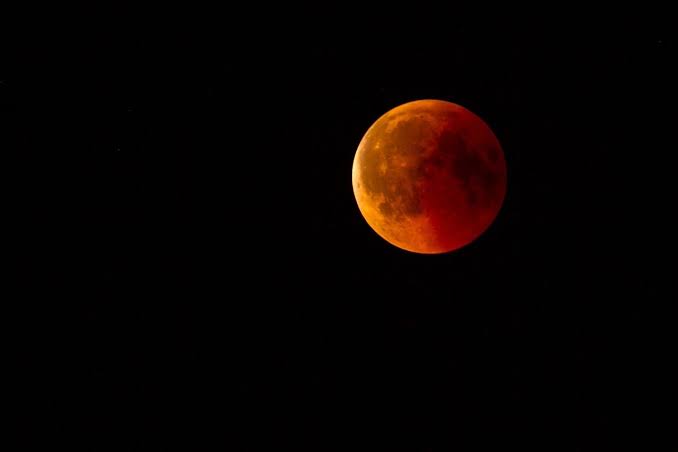
He explained that the Sutak period, considered inauspicious in Hindu tradition, begins nine hours before the eclipse. During this time, religious rituals and temple activities are generally suspended.
In Bihar, Satyendra Ji Maharaj of Maa Dakshineshwar Kali Temple described it as a total lunar eclipse and said the Sutak period began nine hours earlier. He stated that temple worship and darshan were suspended during this time, adding that reciting the mantras of one’s deity and guru during the eclipse is believed to bring enhanced spiritual benefits.
He further said that in Bihar, the eclipse would be visible for about 20 minutes. Advising precautions, he noted that elderly people requiring essential medicines could take them. Cooked food prepared before the eclipse should be covered with tulsi leaves and consumed only after the eclipse ends, he added.
In Uttar Pradesh, Shailendra Tripathi, a priest of a Hanuman temple, said temple doors were closed during the Sutak Kaal as idol worship and rituals are prohibited during the period. Pandit Shyam Ji Pathak also confirmed that the eclipse lasted from 3:20 p.m. to around 6:48 p.m., stating that chanting and spiritual practices during the eclipse are traditionally believed to bring positive results.
In Jharkhand, Pahari Temple priest Manoj Kumar said temple doors were closed due to the eclipse, with the Sutak period commencing nine hours before the event.
Across states, temple authorities followed traditional practices by suspending rituals during the Sutak period and encouraging devotees to pray and chant at home. Many followers observed fasting and engaged in spiritual practices in accordance with long-standing beliefs associated with lunar eclipses.