
Odisha Notifies Policy on Reuse of Treated Water to Boost Urban Sustainability
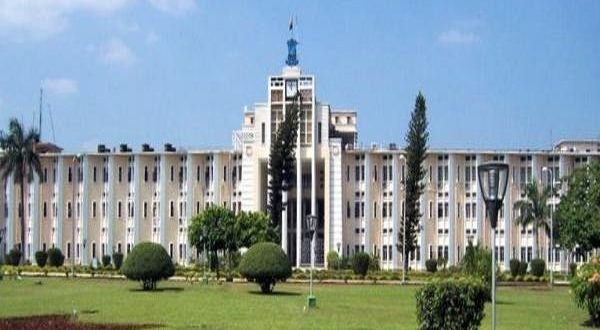
Bhubaneswar: In a major step towards water sustainability and promoting a circular economy in urban development, the Odisha government has notified the “Policy on Reuse of Treated Used Water (TUW) of Urban Odisha, 2026.”
The policy lays out a comprehensive roadmap to convert used water into a valuable resource, addressing growing seasonal and regional water stress across urban areas. It sets clear and time-bound targets, including achieving 100% collection, conveyance, and treatment of used water in all Urban Local Bodies (ULBs) by 2030. It also aims to ensure at least 20% reuse of treated water by 2030, which will be scaled up to a minimum of 50% by 2036.
Currently, Odisha generates around 1,104 million litres per day (MLD) of used water, of which only about 190 MLD is treated. The new policy seeks to bridge this gap by mandating treatment and ensuring compliance with safety standards for non-potable usage.
The policy promotes the reuse of treated water across multiple sectors to reduce dependence on freshwater sources. These include municipal and institutional uses such as road cleaning, firefighting, sanitation, gardening, and HVAC systems; industrial applications like power plants, boiler feed, cooling, and construction; as well as agricultural and environmental uses including irrigation, wetland management, and rejuvenation of urban water bodies.
To encourage adoption, the government has introduced a treated used water tariff model, ensuring that such water is priced lower than potable water. Incentives include water credits for farmers, tariff rebates and viability gap funding support for industries, and rebates for residential societies using treated water for flushing and landscaping. Performance-linked incentives and disincentives have also been incorporated to ensure compliance.
A multi-tier governance structure has been established for effective implementation. A State High Powered Committee will serve as the apex body for policy and pricing decisions, supported by a State Level Technical Committee and a dedicated Treated Used Water Cell. District Coordination Committees will facilitate execution at the local level.
The Housing and Urban Development Department will oversee regulation and standards, while agencies such as the Odisha Water Supply and Sewerage Board (OWSSB), Water Corporation of Odisha (WATCO), and Public Health Engineering Organisation (PHEO) will handle infrastructure development and operations. The Odisha Urban Academy will lead capacity building and research initiatives.
The policy also mandates that cities with existing sewerage systems and treatment plants must achieve at least 20% reuse within six months of notification. In areas where infrastructure is under development, the targets will apply within six months of commissioning.
Aligned with the National Framework on Safe Reuse of Treated Water (2023) and the objectives of AMRUT 2.0, the policy aims to position Odisha as a frontrunner in sustainable urban water management and environmental conservation.