

Odisha School Dropout Rate Rises to 15% in 2024–25, Secondary Students Worst Affected
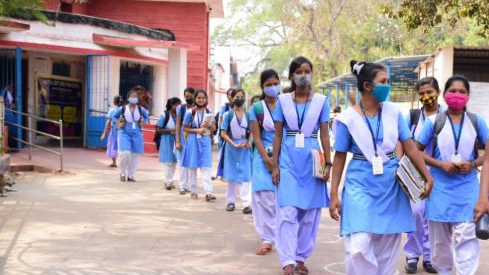
Bhubaneswar: After three consecutive years of improvement, Odisha has witnessed a concerning rise in its school dropout rate in the 2024–25 academic year. The rate has increased from 12 per cent to 15 per cent, according to data presented in the Odisha Legislative Assembly, raising fresh concerns over student retention, especially at the secondary level.
The figures were shared by School and Mass Education Minister Nityananda Gond while replying to a question in the House. The data shows that the sharpest rise has been recorded among students of Classes IX and X, where nearly 15 per cent discontinued their studies during the current academic session.
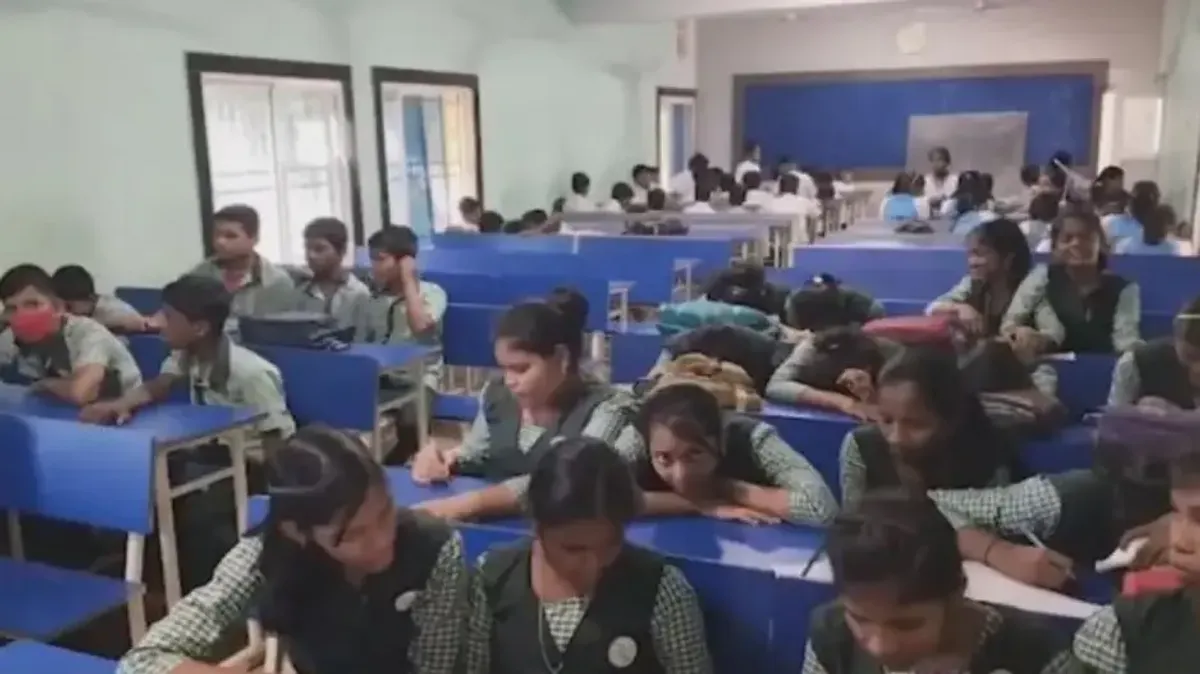
Gender-wise statistics reveal that boys are dropping out at a significantly higher rate than girls. At the secondary stage, 17.3 per cent of boys left school compared to 12.5 per cent of girls. A similar trend is visible in upper primary classes (Classes VI to VIII), where the overall dropout rate stands at 3.2 per cent — 3.7 per cent among boys and 2.6 per cent among girls.
At the primary level (Classes I to V), the situation remains relatively stable, with an overall dropout rate of 0.7 per cent. However, even at this stage, boys account for a higher share of dropouts, with 1.1 per cent compared to 0.3 per cent among girls.
The Assembly was informed that Odisha had recorded a steady decline in dropout rates from the 2020–21 academic year to 2023–24, reflecting sustained efforts to strengthen enrolment and retention. However, the rise in 2024–25 marks a reversal of that positive trend and has triggered debate among lawmakers and education stakeholders.
Concerns have been particularly raised over the vulnerability of students at the secondary level, where economic hardship, academic pressure and early entry into the workforce are frequently cited as key reasons for discontinuing education.
With secondary education emerging as the most affected segment, policymakers are now expected to reassess existing retention strategies and introduce targeted interventions to prevent further increase in dropout rates and protect the progress achieved in recent years.