
Odisha Gears Up for Special Intensive Revision of Voter List; Mapping Nears Completion
Bhubaneswar: Odisha is preparing for a comprehensive Special Intensive Revision (SIR) of its electoral rolls beginning in April, as the state moves to update and correct its voter list ahead of future elections.
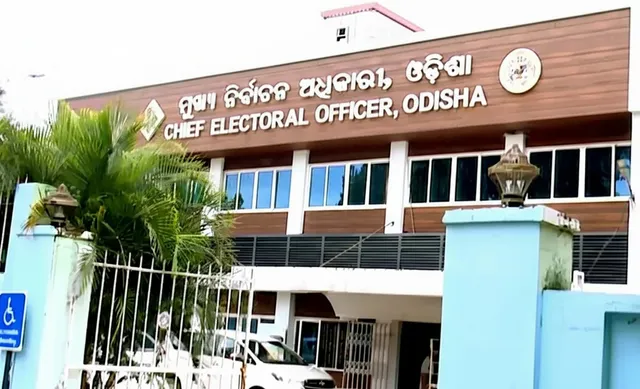
The preparatory phase of the exercise — mapping the 2002 SIR voter list against the current 2025 electoral rolls — is already in progress statewide. According to the Chief Electoral Officer’s (CEO) office, approximately 80% of voters have been successfully mapped so far, with officials aiming to complete the process by the end of the month.
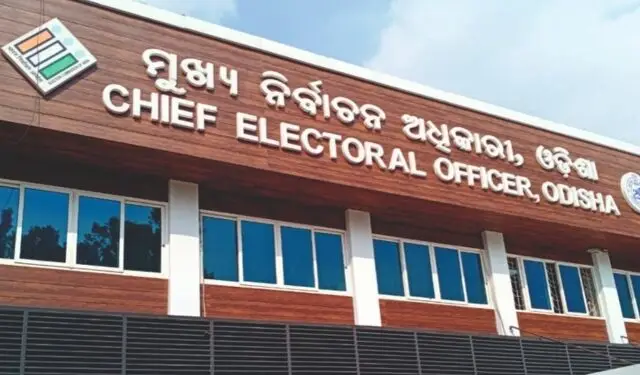
The CEO’s office has launched an extensive awareness campaign, including advertisements, to inform voters about the mapping process and how they can participate.
Currently, Odisha is among 12 states where the special revision exercise is underway. The last SIR in the state was conducted in 2002, making this the first major overhaul of the voter list in more than two decades.
Officials have urged voters to verify their names in both the 2002 SIR list and the 2025 voter list from the comfort of their homes. The 2002 list can be accessed via the Election Commission of India’s (ECI) portal at voters.eci.gov.in under the “Last SIR Data” section. Voters whose names do not appear in the 2002 list are advised to check for their parents’ or grandparents’ names and report the information to their Booth Level Officer (BLO) along with the necessary details.
The process has also been made accessible through the ECI Net mobile app, which provides details of voter mapping and allows users to contact their designated BLOs. A dedicated voter helpline — 1950 — has also been activated for further assistance.
Officials noted that rural areas have achieved higher mapping rates compared to urban regions.
Once the SIR phase begins in April, BLOs will conduct house-to-house visits to collect essential information. Each voter will be required to furnish two forms — one to be retained by the voter and the other by the BLO. The form will capture key details such as the voter’s EPIC number, father’s name, booth and constituency information, and a recent colour photograph.
Following the conclusion of data collection, a booth-wise draft voter list will be published — both at polling stations and online. The publication will be followed by a month-long period for filing claims and objections, with hearings scheduled for dispute resolution. Virtual hearings will be made available for those unable to attend in person.
Voters who have not been mapped during the current stage will still have the opportunity to provide residential proof and birth certificate details to ensure their inclusion. Officials reiterated that no Indian citizen will be excluded from the voter list during the SIR process.
The SIR and mapping exercise is structured as a five-tier administrative framework. At the grassroots level, BLOs engage directly with voters. EIROs — typically BDOs and Tahsildars — supervise BLO activities and resolve local issues. Sub-Collectors and Additional District Magistrates, designated as IROs, monitor the process and address complex matters. District Magistrates, acting as District Election Officers, oversee the SIR rollout across districts, with the Chief Electoral Officer ensuring seamless execution across the state.